The Convenience of Telemedicine Psychiatry

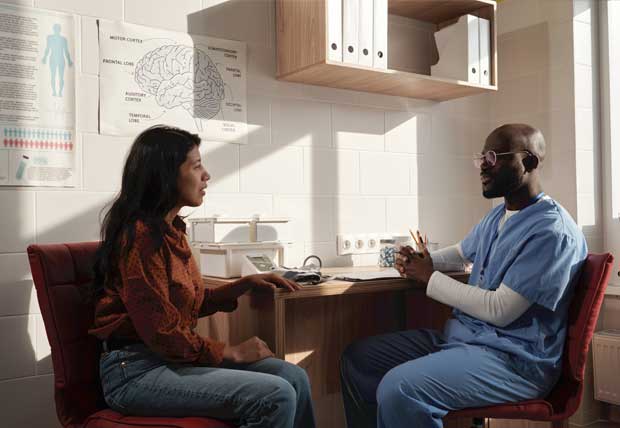
In recent years, telemedicine psychiatry has emerged as a vital component of mental health care, offering unprecedented convenience and accessibility to individuals seeking psychiatric services. This evolution in healthcare delivery leverages technology to connect patients with professionals remotely, enhancing the capacity for timely and effective treatment. As the demand for mental health services continues to grow, telemedicine psychiatry provides a flexible and efficient solution, meeting the needs of diverse populations with varying schedules and geographical challenges.
The Benefits of Telemedicine Psychiatry
Telemedicine psychiatry offers several advantages that contribute to its growing popularity and effectiveness:
- Enhanced Accessibility: Patients in remote or underserved areas can access psychiatric care without the need for travel, bridging the gap between demand and availability of services.
- Convenience: Flexibility in scheduling allows patients to arrange appointments that fit their lifestyle, reducing the stress associated with commuting to a physical office.
- Privacy and Comfort: Receiving care in a familiar environment can increase patient comfort and willingness to engage in therapy, leading to more effective outcomes.
- Continuity of Care: Patients can maintain continuity with their mental health professionals, even when travel or relocation occurs, ensuring ongoing support.
Integrating Telemedicine in Mental Health Practices
For practitioners, integrating telemedicine into their practice involves adopting specific platforms and strategies that facilitate seamless communication and care delivery. Discover expert strategies here to ensure a smooth transition and effective implementation.
Key Considerations for Practitioners
- Technology Requirements: Reliable internet connection, secure video conferencing tools, and compliance with data protection regulations are essential for successful telemedicine practice.
- Patient Engagement: Encouraging patient participation in virtual sessions involves clear communication and setting expectations for the telemedicine experience.
- Training and Support: Continuous training for practitioners and support teams ensures proficiency in using telemedicine tools and addressing any technical challenges.
Challenges and Solutions in Telemedicine Psychiatry
While telemedicine psychiatry offers numerous benefits, it also presents challenges that require thoughtful solutions. Learn about our tailored solutions to address these challenges effectively.
Overcoming Common Barriers
- Technological Barriers: Ensuring patients have access to necessary technology and troubleshooting support can mitigate issues related to connectivity and device compatibility.
- Privacy Concerns: Implementing robust security measures and educating patients about data privacy can alleviate concerns about confidentiality.
- Cultural Sensitivity: Adapting services to meet the cultural and linguistic needs of diverse populations enhances the effectiveness of telemedicine psychiatry.
The Future of Telemedicine Psychiatry
As technology continues to advance, the scope and capabilities of telemedicine psychiatry are expected to expand. Explore advanced guides and tips on how these innovations could shape the future of mental health care.
Embracing artificial intelligence, data analytics, and virtual reality can further enhance diagnostic accuracy, treatment personalization, and patient engagement. The integration of these technologies promises to revolutionize mental health care delivery, making it more efficient, accessible, and effective.
Telemedicine psychiatry represents a paradigm shift in how psychiatric services are delivered, offering a comprehensive solution to many of the challenges faced by traditional mental health care. By incorporating technology into treatment, it provides an adaptable and innovative approach to meeting the diverse needs of patients. Find out more about this approach and how it continues to evolve to better serve communities around the world.